
Culebra travel tips
Everything below is written to save you the small frustrations that catch first-timers off guard.
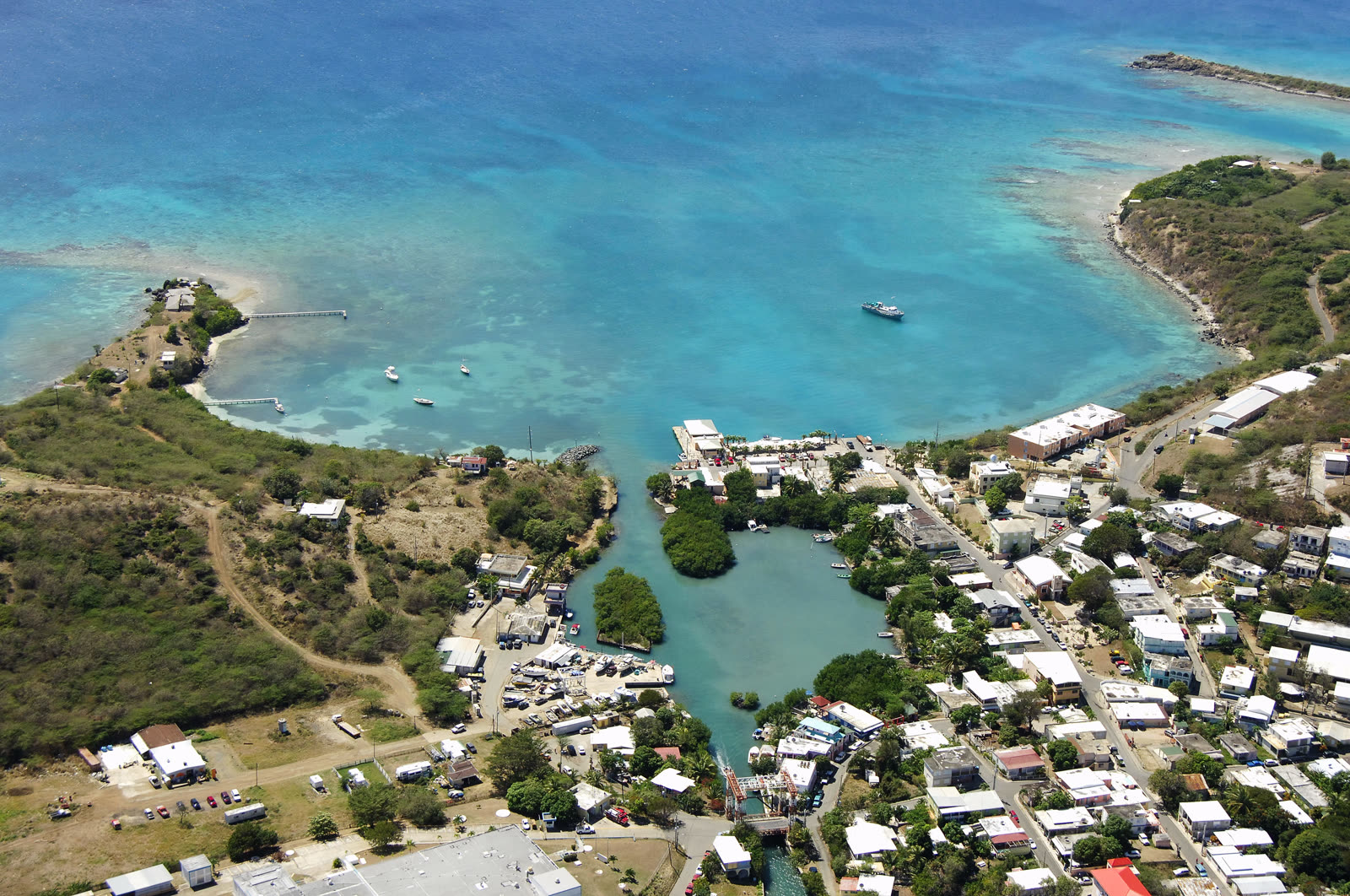
Getting to Culebra
There are two ways in — ferry or small plane. The ferry runs from Ceiba on the east coast; flights leave from three different Puerto Rico airports.
Ferry from Ceiba
- The government-run ferry is booked through PuertoRicoFerry. Only about 20% of the month's seats are released for online sales; the rest are sold at the ferry kiosk in person, so most travelers end up buying at the terminal.
- Roughly 90 minutes each way. Cheap: about $2.25 one-way for adults, plus a small environmental fee for non-residents on Culebra.
- Residents get priority. Tickets are released in windows and sell out quickly for weekends and holidays.
- Book online in advance if you can. Walk-up tickets are possible on weekdays but not reliable.
- Arrive at the terminal early — an hour before departure is a safe cushion.
For the full breakdown — the online window, kiosk reality, alternatives when the ferry is sold out, and services that book tickets for you — see the ferry tickets guide.
Fly from San Juan (SJU)
- Cape Air runs year-round scheduled service between SJU and Culebra (CPX), skipping the drive to Ceiba. Twin-engine Cessnas, roughly 30-minute flight.
- Convenient if you're connecting from a mainland or international arrival at SJU.
Fly from Isla Grande (SIG)
- SIG is Puerto Rico's smaller commuter airport in the Miramar district, ~15 minutes from SJU by taxi or a short trip from Old San Juan.
- Operators to Culebra (CPX): Air Flamenco and Vieques Air Link.
- Daylight service only.
Fly from Ceiba (RVR)
- Small-plane hop, about 20 minutes gate-to-gate.
- Operators: Vieques Air Link and Air Flamenco.
- Ceiba is about 90 minutes' drive from San Juan — worth it only if you're already planning a ferry rather than a flight, and want the flight as a weather-day backup.
No TSA checkpoint at Isla Grande, Ceiba, or Culebra — arriving 30 minutes before your flight is fine at any of them. Only SJU has the usual security line.
Getting around Culebra
- EBikes are the easiest way to see the whole island. Ideal for solo travelers and couples: park anywhere, skip the parking fees at Flamenco.
- Golf carts are the most common vehicle rental. Book weeks ahead in high season; the small fleet sells out.
- Jeeps cost more but reach the rougher-road beaches where a cart struggles.
- Públicos (shared taxis) run between Dewey, the ferry, the airport, and the main beaches.
- Fuel stations are limited. Fill up in Dewey when you can.
- Roads are unmarked outside town. Load offline maps.
- Flamenco parking: small fee for cars and carts; bikes park free.
Money and connectivity
- One ATM on the island — Banco Popular in Dewey. Bring cash from the mainland.
- Cards work at larger restaurants and hotels; cash is faster and expected at colmados, kiosks, and roadside stops.
- Cell service is reliable in and around Dewey; patchy on the north and east sides.
- Download offline maps before you cross.
What to pack
- Reef-safe sunscreen only. Regular sunscreen damages the coral.
- Water shoes for Punta Soldado, Carlos Rosario, and the tanks at Flamenco.
- A hat, sunglasses, and sun cover — beach shade is minimal on most beaches.
- Insect repellent for dawn and dusk, especially on the west side.
- Your own snorkel gear if you have it. Rentals are available at Culebra Divers, but bringing your own saves time.
- A dry bag for boat days.
- Cash.
Food and groceries
- Colmado Milka in Dewey is the main grocery. Small, but better-stocked than it looks. Everything arrives by ferry, so shelves thin out later in the day.
- Restaurants close early. By 9pm most kitchens are done.
- Flamenco's kiosks cover a beach-day lunch (empanadas, fried fish, cold drinks).
Safety and etiquette
- No lifeguards on any beach. The windward side (Zoni, Brava, Resaca) has strong currents at times; the leeward side is generally calm.
- Do not touch nesting turtles or hatchlings, and never use bright lights on the beach at night from March through July.
- Unexploded Navy ordnance — the US Army Corps of Engineers is still clearing sites in remote parts of the north shore. Stay on marked trails and beaches.
- Reef-safe sunscreen only. It's not optional; regular sunscreen visibly damages the reef.
- Pack out everything you pack in. The refuge and remote beaches have no trash collection.
When to come
- December–April — driest, calmest, busiest. Book everything in advance.
- Late April–early June — quieter, still dry, and the beginning of leatherback nesting season.
- June–November — hurricane season, with the biggest storms usually August through October. Travel insurance is worth it.
- Weekdays vs. weekends — the island fills up on weekends with visitors from mainland Puerto Rico. A Tuesday morning is a different island from a Saturday afternoon.
Next: Things to do or Beaches.