
Vieques
Seven miles off Puerto Rico's east coast, twice the size of Culebra, a slower and older island: Vieques. Fifty-five square miles of hills, dry forest, mangrove, wild coastline — and, on the eastern two-thirds of the island, a national wildlife refuge that keeps it that way.
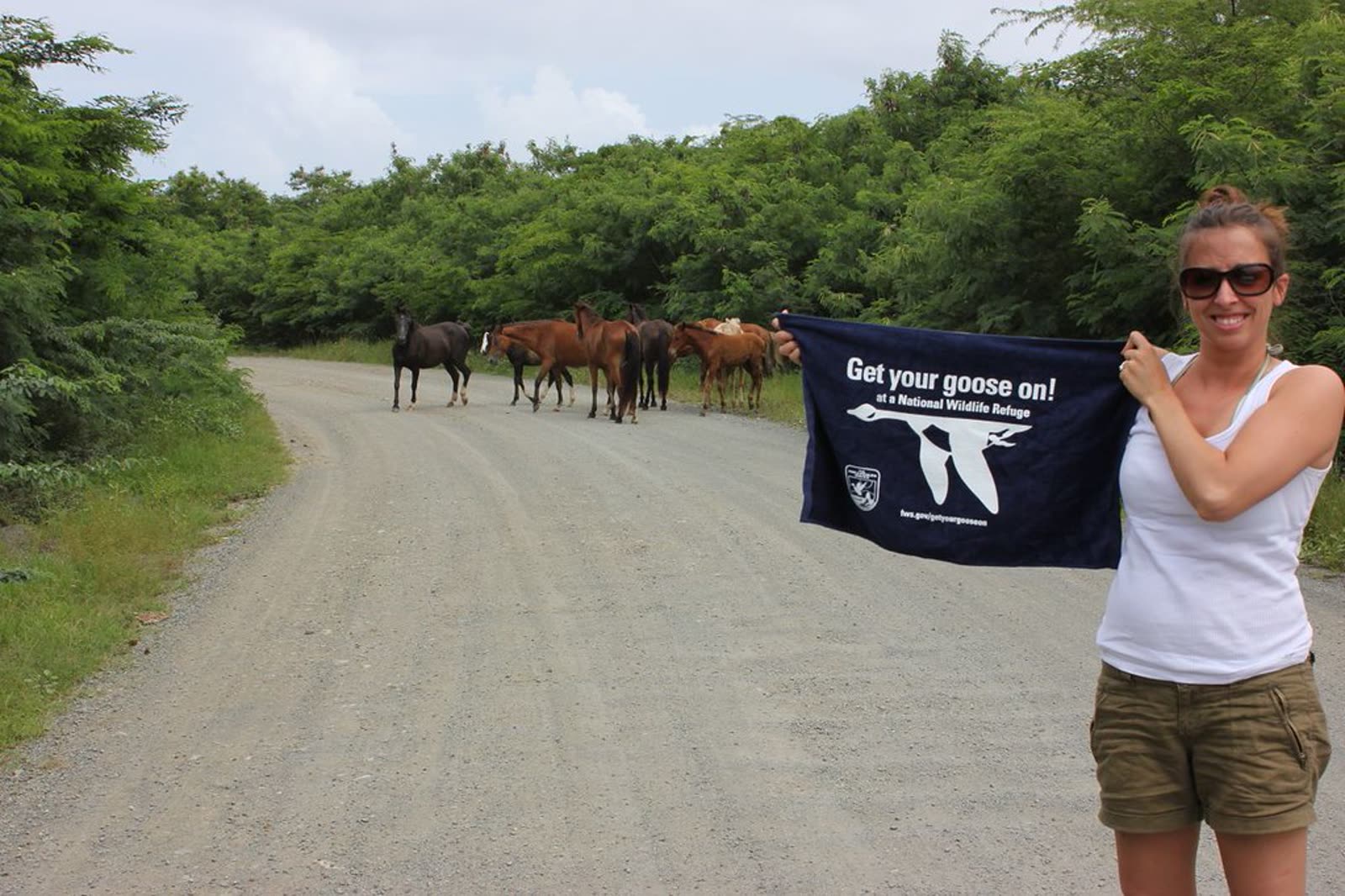
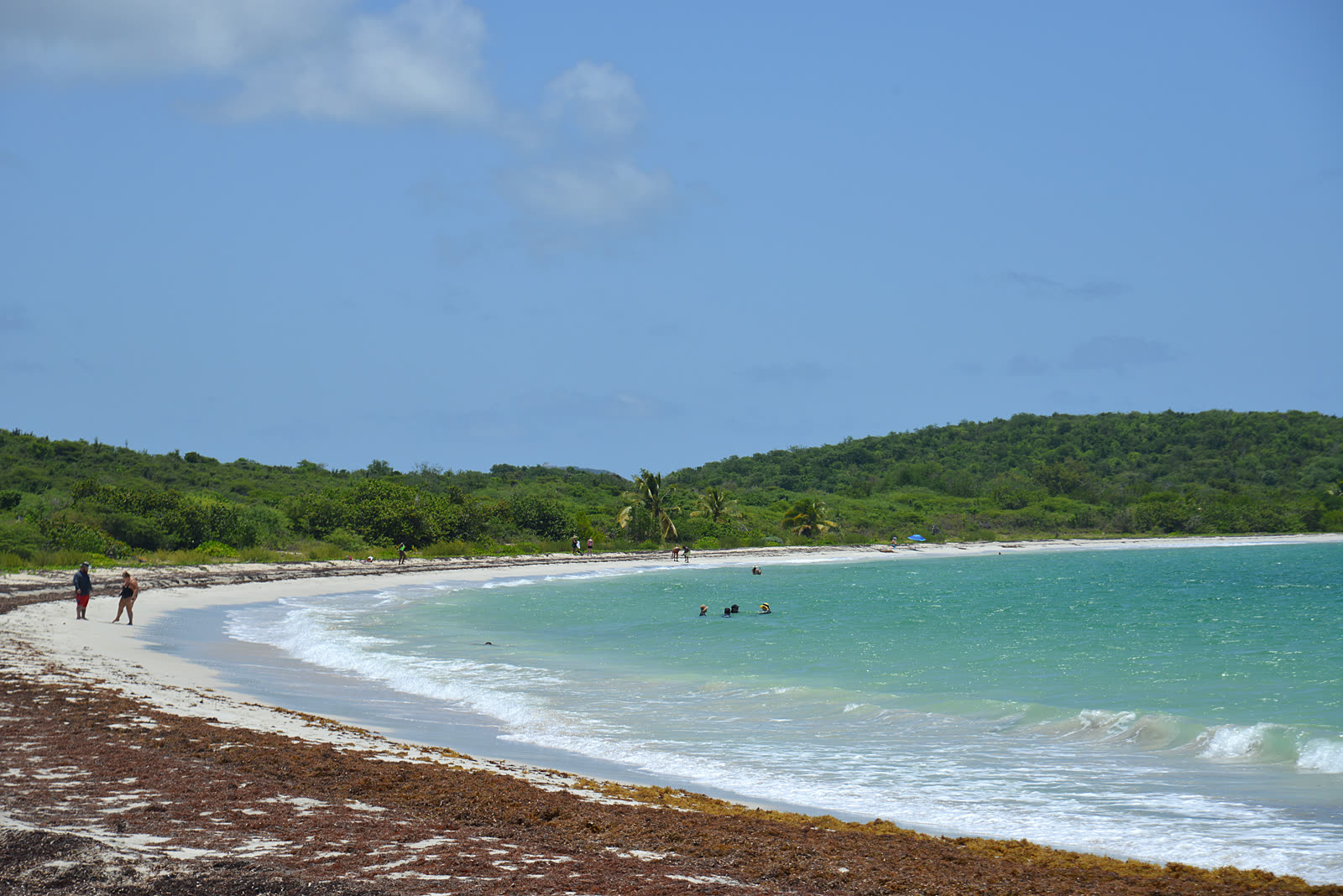
Around nine thousand people live here. There are no cruise ships, no chain hotels, no high-rise anything. Wild horses graze the roadsides. Iguanas cross in front of cars. The beaches inside the refuge — long, undeveloped, often empty even in high season — go by the color names the Navy left behind: Red Beach, Blue Beach, Green Beach, Black Beach.
Off the south coast sits Mosquito Bay — the brightest bioluminescent bay in the world, and a preserve you can only enter with a guided tour. On a new moon, every stroke through the water leaves a wake of pale blue light.
For the traveler who wants a Caribbean of untouched nature and small-town rhythm — not resort strips and shore-excursion crowds — Vieques sits near the top of a very short list. (Culebra is the other name on it.)
Things to do
- A guided Mosquito Bay tour — the main event. The brightest bioluminescent bay in the world. Kayak or clear-bottom electric boat, always with a licensed operator; swimming is prohibited.
- Beaches. Full list below, or see the beach guide.
- Snorkeling at La Chiva (Blue Beach), Mosquito Pier, Punta Arenas (Green Beach), and the sugar-pier at Esperanza.
- Driving the Wildlife Refuge — nearly two-thirds of the island is federal refuge land, open sunrise to sunset with unpaved roads leading to remote beaches.
- Watching the wild horses — descendants of Spanish stock introduced in the 16th century. You'll see them on the malecón, around the refuge roads, and grazing beside houses.
- Sunset on the Esperanza Malecón. The boardwalk that anchors the south-coast town. Cafés, bars, and beach at your feet.
- Fortín Conde de Mirasol — the last Spanish fort built in the Americas, on the hill above Isabel Segunda. Now the Vieques museum.
- Paddleboarding, kayaking, and sailing — with Black Beard Sports and other Esperanza-based operators.
Full breakdown on the things to do page.
Beaches
Vieques has one of the highest densities of empty, undeveloped beach in the Caribbean. What makes each distinct:
- Sun Bay (Balneario Sombe) — the only beach with lifeguards, bathrooms, and showers. Mile-long crescent, small entry fee, walking distance from Esperanza.
- Playa Negra (Black Sand) — a 15-minute muddy trail from a pull-off on Route 201; striking dark volcanic sand that's actually magnetic. Not a swimming beach; go for the walk and the look.
- La Chiva (Blue Beach) — long stretch with numbered parking spots along a dirt road; often called the island's best. Great snorkeling.
- Playa Caracas (Red Beach) — inside the wildlife refuge on a paved road. Family-friendly, calm water, picnic gazebos.
- Media Luna — shallow protected cove past Sun Bay, waist-deep 30 feet out. Best for small children and paddleboards.
- Navio — the next cove east. Small sea cave, body-surfable waves, rough dirt access.
- Pata Prieta (Secret Beach) — a small horseshoe cove; short walk from parking. Snorkeling on both sides.
- Playuela — reached only by a 10-minute shaded hiking trail inside the refuge.
- Punta Arenas (Green Beach) — far west end. Best snorkeling reef on the island; sandflies at dusk.
- Playa Grande — turtle nesting beach on the west end.
Full descriptions and access notes on the beaches page.
Where to stay
- Blue Horizon Boutique Resort — adults-only oceanfront resort in Esperanza. Pool, beach access, fine dining, and a short walk to the malecón.
Where to eat
- Duffy's Esperanza — casual waterfront seafood and craft beer on the Esperanza malecón.
- Bananas Beach Bar and Guesthouse — Esperanza institution: burgers, bar, guest rooms.
- Lazy Jacks — pub and restaurant.
- Rising Roost — the go-to breakfast and coffee stop in Isabel Segunda.
- Bieke's Bistro — pilón-pounded mofongo at fair prices, Isabel Segunda.
Full list on the restaurants page.
Getting here
- Ferry from Ceiba — PuertoRicoFerry. Roughly 30 minutes on the passenger fast ferry. About $2 one-way. Tickets do sell online, but only 20% of the month's seats are released for online sales — most tickets are sold at the ferry kiosk in person.
- Fly from San Juan (SJU) — Cape Air and Vieques Air Link run year-round service direct to Vieques (VQS). Around 25 minutes.
- Fly from Isla Grande (SIG) — 15-minute taxi from SJU or a short walk from Old San Juan. Vieques Air Link and Air Flamenco both operate from here.
- Fly from Ceiba (RVR) — Vieques Air Link and Air Flamenco run eight-minute hops.
Full breakdown, including transport around the island, on the travel tips page.
Travel tips
- Rent a 4x4. Standard sedans cannot reach many of the best beaches — the refuge roads are unpaved and rutted. Book weeks ahead.
- Watch for horses and dogs on the road, especially at dawn and dusk.
- Only one 24/7 ATM — Banco Popular in Isabel Segunda. Other ATMs work only during business hours.
- Two gas stations, both in or near Isabel Segunda. Fill up before heading to the refuge.
- Cell service is unreliable in the refuge and on the west end. Download offline maps.
- The refuge closes at sunset — plan to be back on the paved road before then.
- Bio bay tours book out, especially around a new moon. Reserve a month or more ahead.
More on transport, packing, timing, and safety on the travel tips page.
When to come
- December through April — driest and busiest.
- May through October — warmer water, and the bay is at its brightest as the dinoflagellates thrive.
- June through November is hurricane season, with the biggest storms usually August through October.
- Book bio bay tours around the new moon — moonlight washes out the glow.