
Things to do in Vieques
Vieques rewards a slower trip. Below is the breakdown by category. For the beach guide, see Beaches; for logistics, Travel tips.
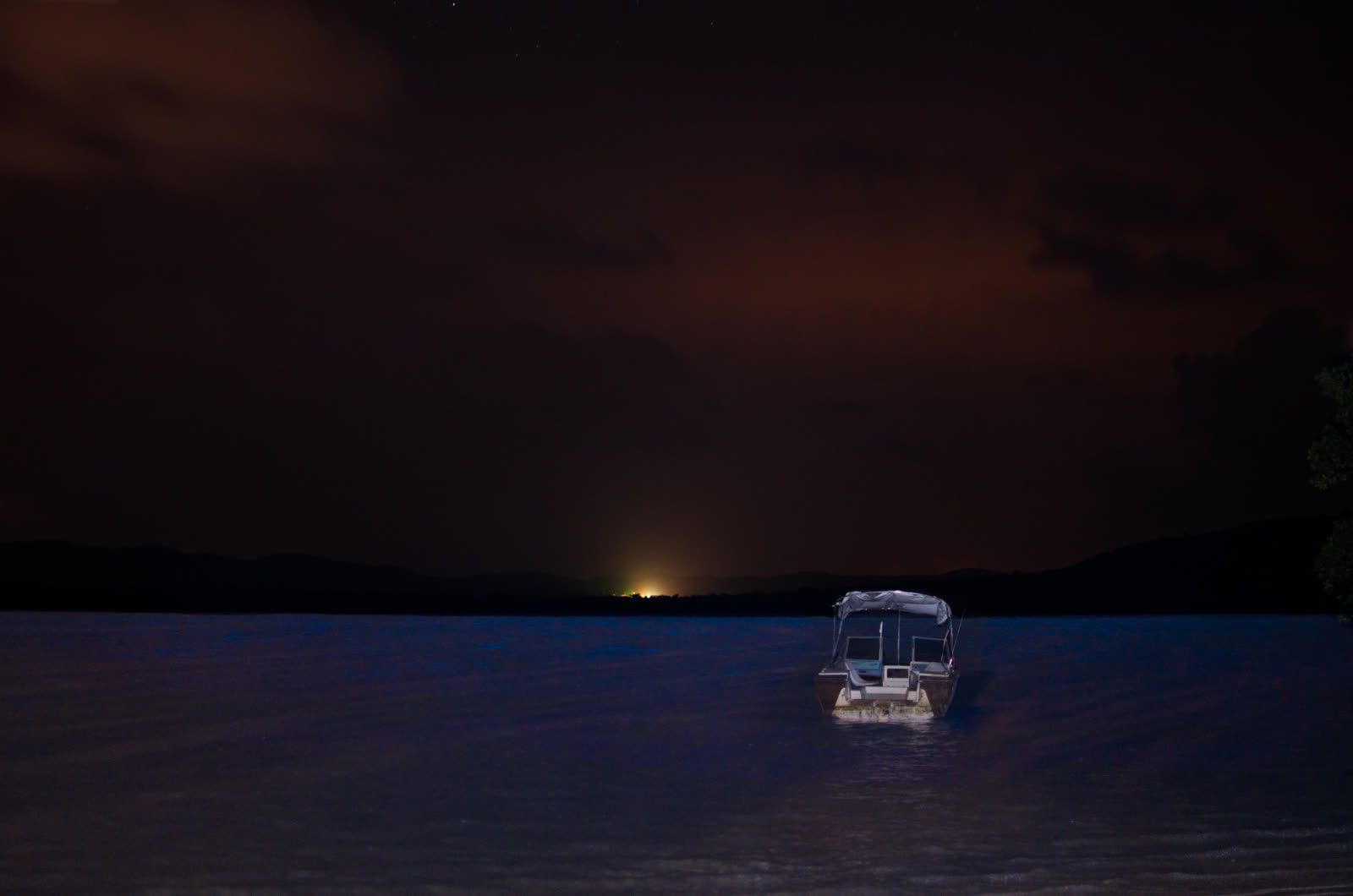
Mosquito Bay (the bioluminescent bay)
The brightest bioluminescent bay in the world, and a protected reserve. Every stroke of a paddle or a boat wake lights up the water with a pale blue glow. The glow comes from Pyrodinium bahamense dinoflagellates that flash when disturbed.
- Guided tours only. Swimming in the bay is prohibited; regulated operators take small groups by kayak or clear-bottom electric boat.
- Reserve well ahead — new-moon weeks book out a month or more in advance.
- Book around a new moon. Moonlight washes out the glow; the darker the sky, the brighter the bay. Reputable operators skip the days on either side of a full moon.
- Water is warmest — and the glow strongest — May through October. This also overlaps hurricane season.
- No sunscreen, no bug spray, no lotions on your skin. They harm the dinoflagellates. Shower before the tour.
- Bring a headlamp for the walk to and from the launch point; the road is unlit.
Book with a licensed operator: Mosquito Bio Bay Tours, Aqua Sunset Tours (transparent kayaks), or JAK Water Sports.
Snorkeling and diving
- La Chiva (Blue Beach) — reef right off the sand and around the small island in the middle of the bay.
- Mosquito Pier — a mile-long WWII causeway on the north shore. Coral grows on the pilings; visibility is often excellent.
- Punta Arenas (Green Beach) — the far west end. Best reef fish diversity on the island. Sandflies at dusk.
- Pata Prieta (Secret Beach) — reef on both sides of the small cove.
- Esperanza Beach and pier — surprisingly good, right in town.
- Sun Bay's outer edge — beginner-friendly.
Gear and instruction at Black Beard Sports in Esperanza and Isabel Segunda.
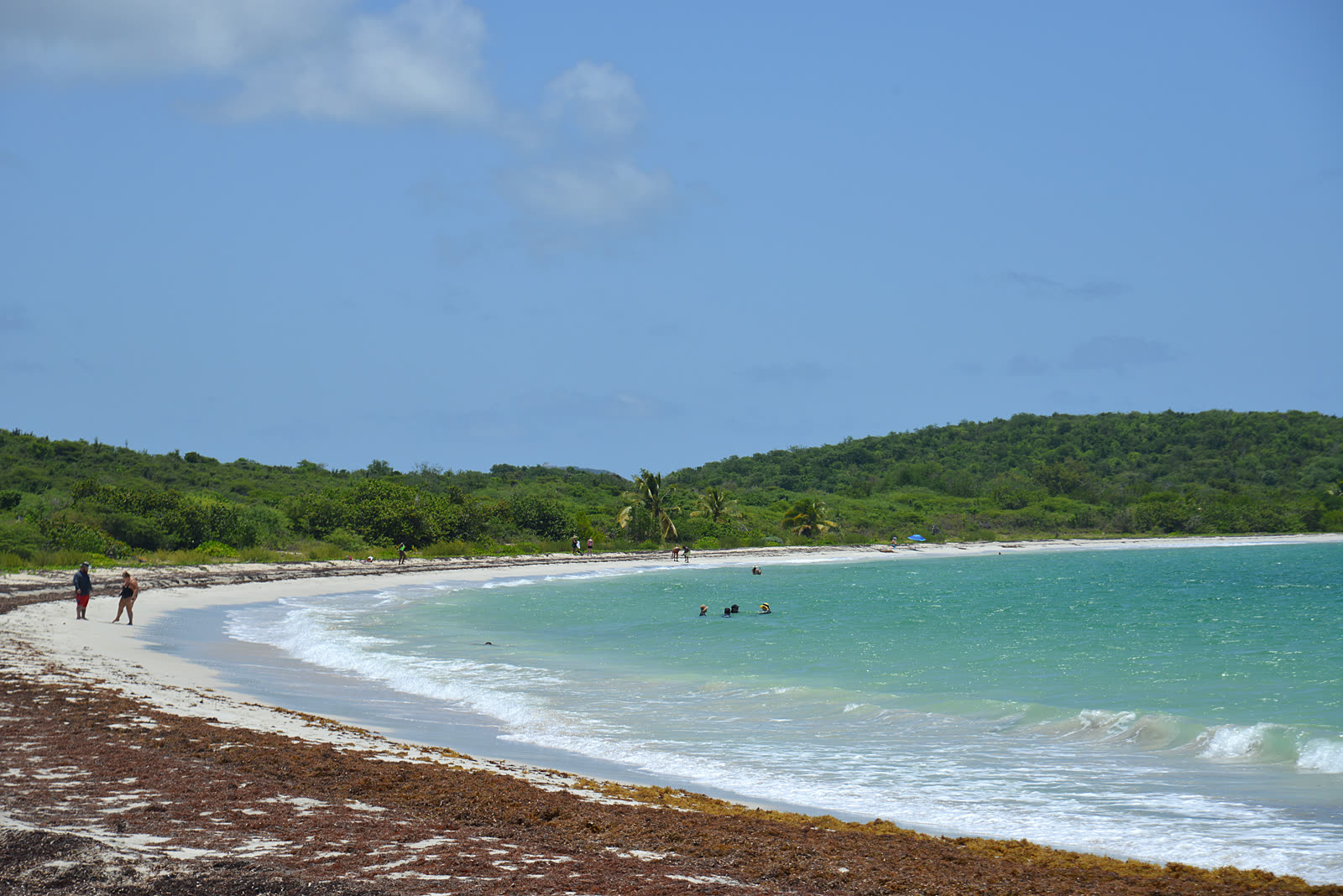
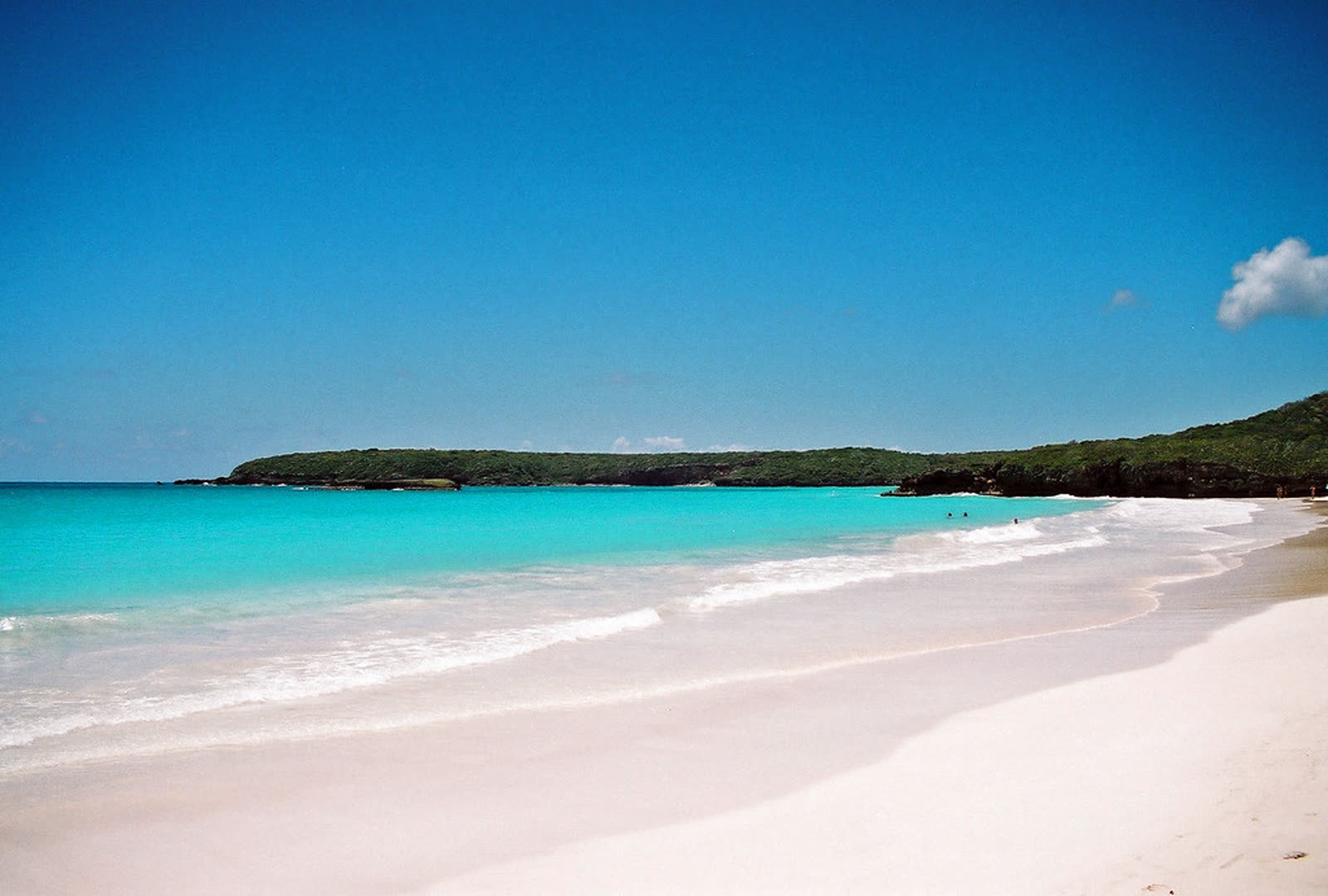
Beaches and the wildlife refuge
Vieques National Wildlife Refuge covers nearly two-thirds of the island — the largest US Fish & Wildlife refuge in the Caribbean. Gates open sunrise to sunset; there is no entrance fee. Roads are unpaved and rutted; a 4x4 is worth the money.
- Sun Bay — the only beach with lifeguards and facilities. Walking distance from Esperanza.
- Media Luna — the shallow cove past Sun Bay.
- Navio — small sea cave, body-surfable waves.
- Playa Caracas (Red Beach) — inside the refuge on paved road.
- La Chiva (Blue Beach) — the local favorite.
- Pata Prieta (Secret Beach) — small horseshoe cove.
- Playa Grande — long walking beach on the west end; sea turtle nesting.
- Playa Negra (Black Sand) — a walking beach, not a swimming beach.
Full descriptions on the beaches page.
Wild horses
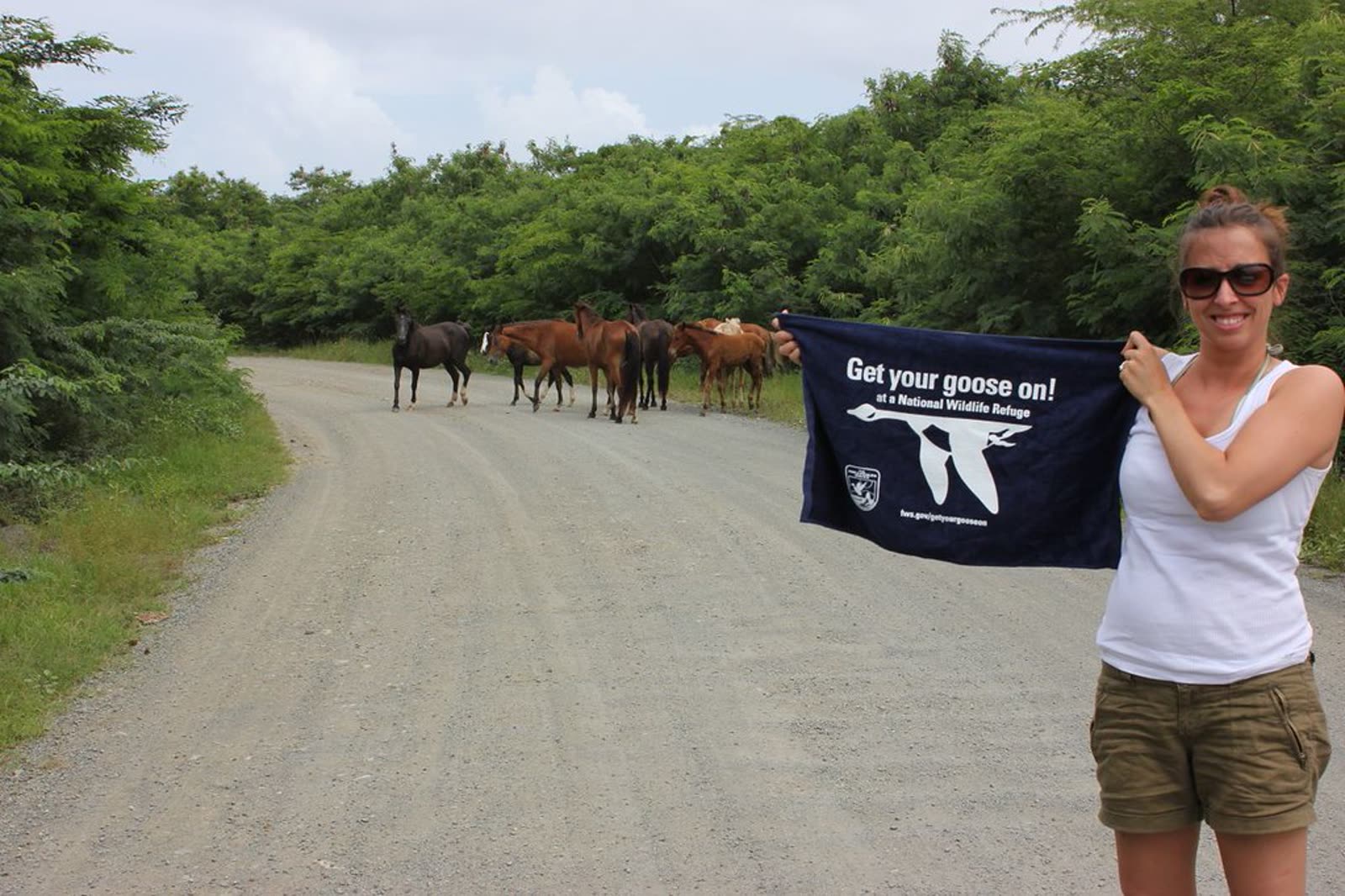
Somewhere between several hundred and a couple thousand horses roam the island — descendants of Spanish stock introduced in the 16th century. Most are owned by local residents but left free to graze. You'll see them:
- Along the Esperanza malecón at dawn and dusk.
- On the refuge roads, especially toward La Chiva and Playa Caracas.
- In front of houses in Isabel Segunda.
- Swimming at La Chata beach on the north side.
Keep distance. Do not feed or touch them. Drive slowly, especially at night.
Boat and water
- Sailing and catamaran charters from Esperanza. Sunset cruises are the classic.
- Kayak and paddleboard rentals with Black Beard Sports and other Esperanza operators.
- Fishing charters — light tackle and offshore.
History and museums
- Fortín Conde de Mirasol — the last Spanish fort built in the Americas, completed 1855, on the hill above Isabel Segunda. Now the Vieques museum, with anthropology, colonial history, and protest-era exhibits.
- Sugar mill ruins on the southwest coast — a short flat hike through what was once plantation land.
- Mosquito Pier — the causeway itself is a 1941 Navy structure, walkable and open to the water.
The Navy occupied roughly two-thirds of Vieques from the 1940s until 2003. The land is now the wildlife refuge; the travel tips page has notes on remaining safety considerations.
Food and drink
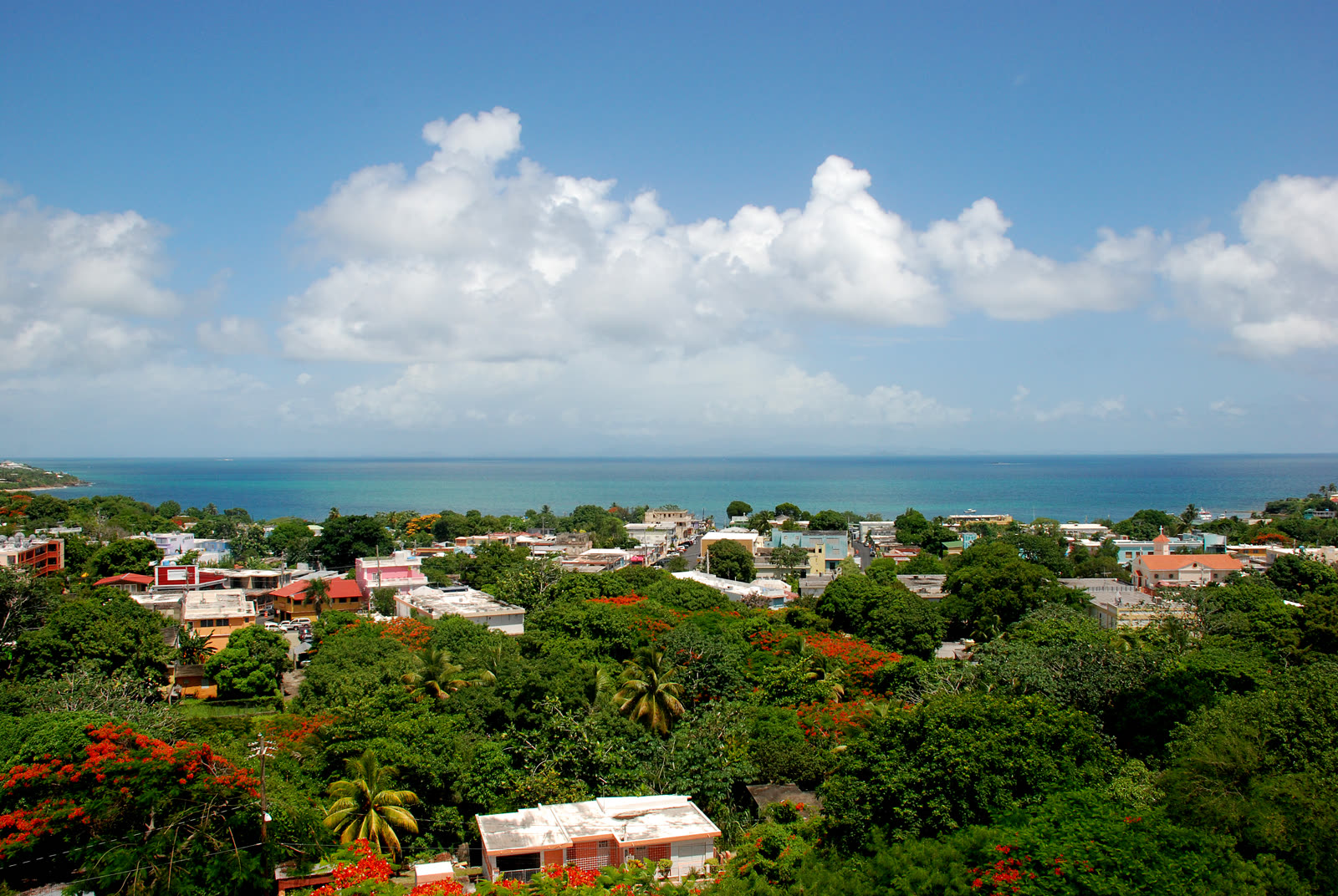
Esperanza is where the tourist-facing restaurant scene lives — on and around the malecón. Isabel Segunda is where locals eat.
Esperanza:
- El Quenepo — chef-driven Caribbean, seafood mofongo. Reservations essential.
- Duffy's — casual waterfront seafood and craft beer.
- Trade Winds — Malecón institution with an ocean view; Sunday brunch.
- Bieke's Bistro — mofongo done well at fair prices.
- Café Del Mar and El Cocal — Caribbean, on the malecón.
Isabel Segunda:
- Mesita — all-day casual local favorite; try the Pernil Hash.
- Rising Roost — breakfast and coffee.
- Rincon del Sabor — food truck for pernil, arroz con habichuelas, tostones. On PR-200.
- Vieques Food Park — a cluster of food trucks including roadside chicken vendors — a Vieques institution.
Slow days
- Sunset at Duffy's or Trade Winds on the malecón.
- Walk the sugar mill ruins on the west end.
- Sea-glass hunting at Playa Los Muertos.
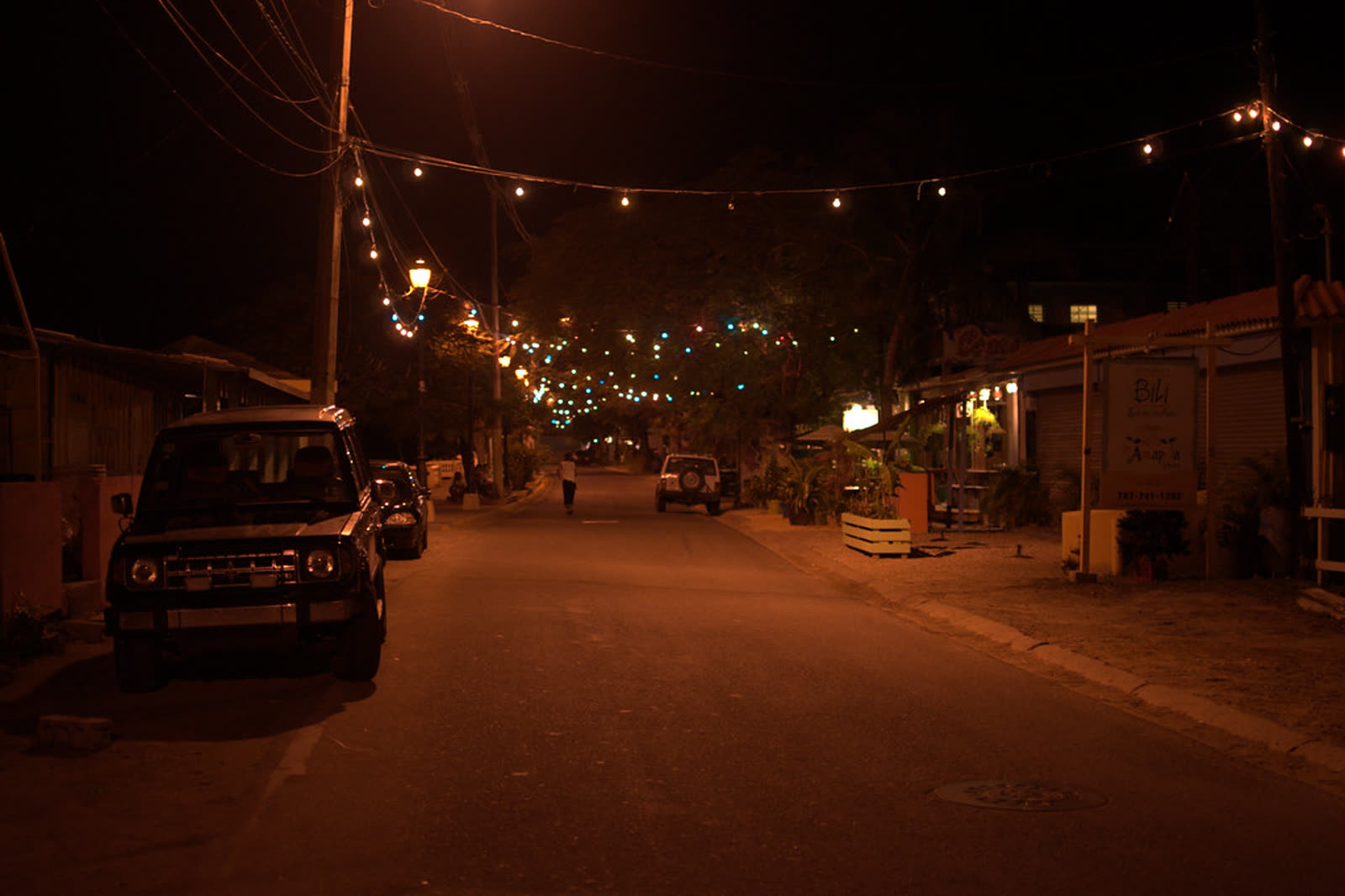
- Stargaze from anywhere with a west-facing view — the island's streetlights in Isabel Segunda are red to preserve dark skies for the bay.
Next: the Beaches guide, or the Travel tips for logistics.