
Beaches of Culebra
Culebra has a beach for whatever you're into — reef snorkeling, empty white sand, sunset-watching, winter surf, or a boat day to the neighboring cay. Few have facilities. All are public.
Flamenco Beach
The one everyone comes for. A mile-long crescent of white sand on the north coast, backed by low green hills. The water is calm, shallow far out, and reliably clear. At the entrance are public bathrooms, showers, and a cluster of food kiosks selling empanadas, fried fish, burgers, and cold Medalla. Small parking fee.
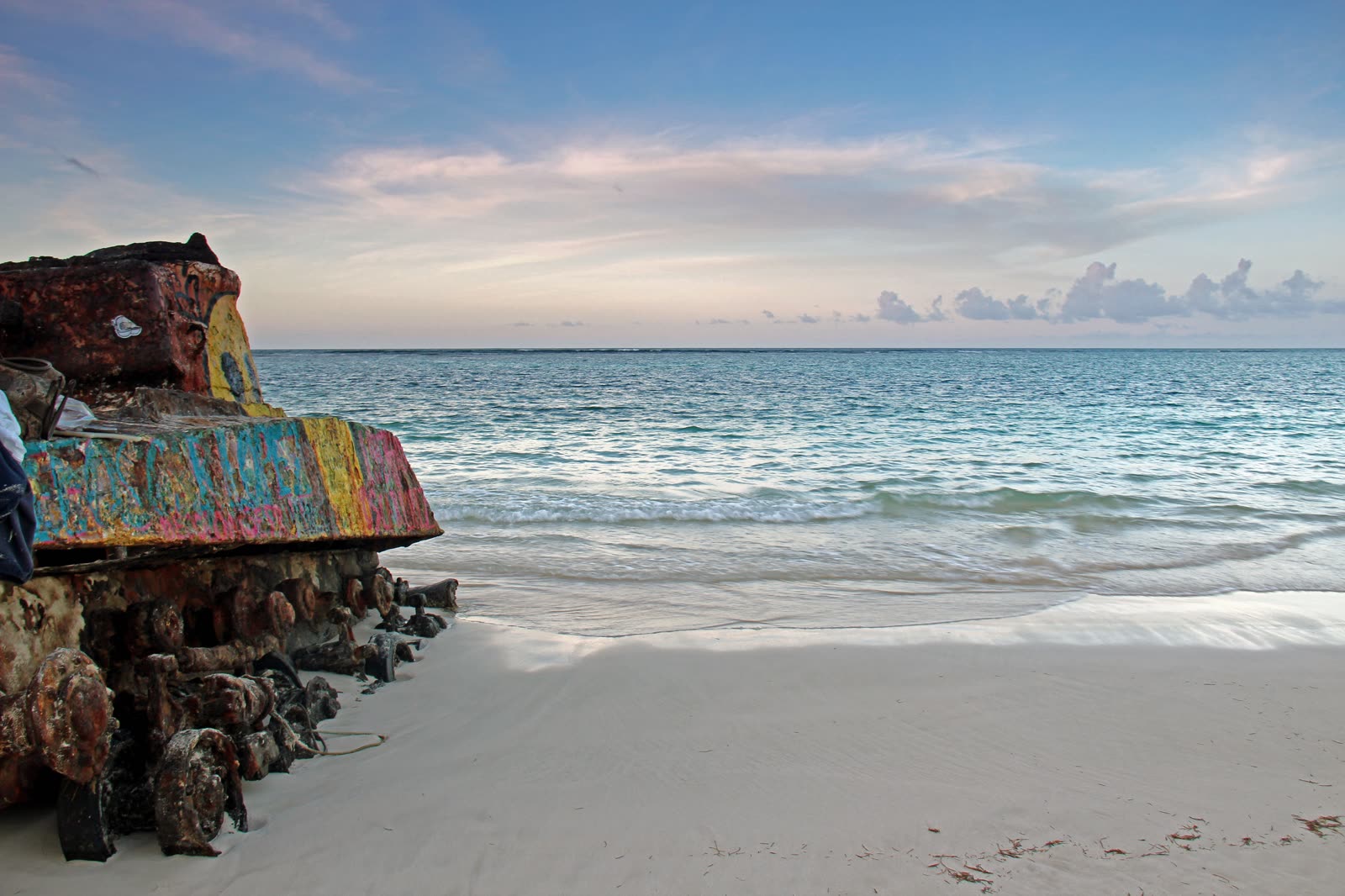
At the west end, two rusted M4 Sherman tanks sit half-buried in the sand — leftover from Navy target practice. Water shoes recommended around them, both for pebbles and rusted debris.
Get there before ten to have shade and elbow room.
Carlos Rosario
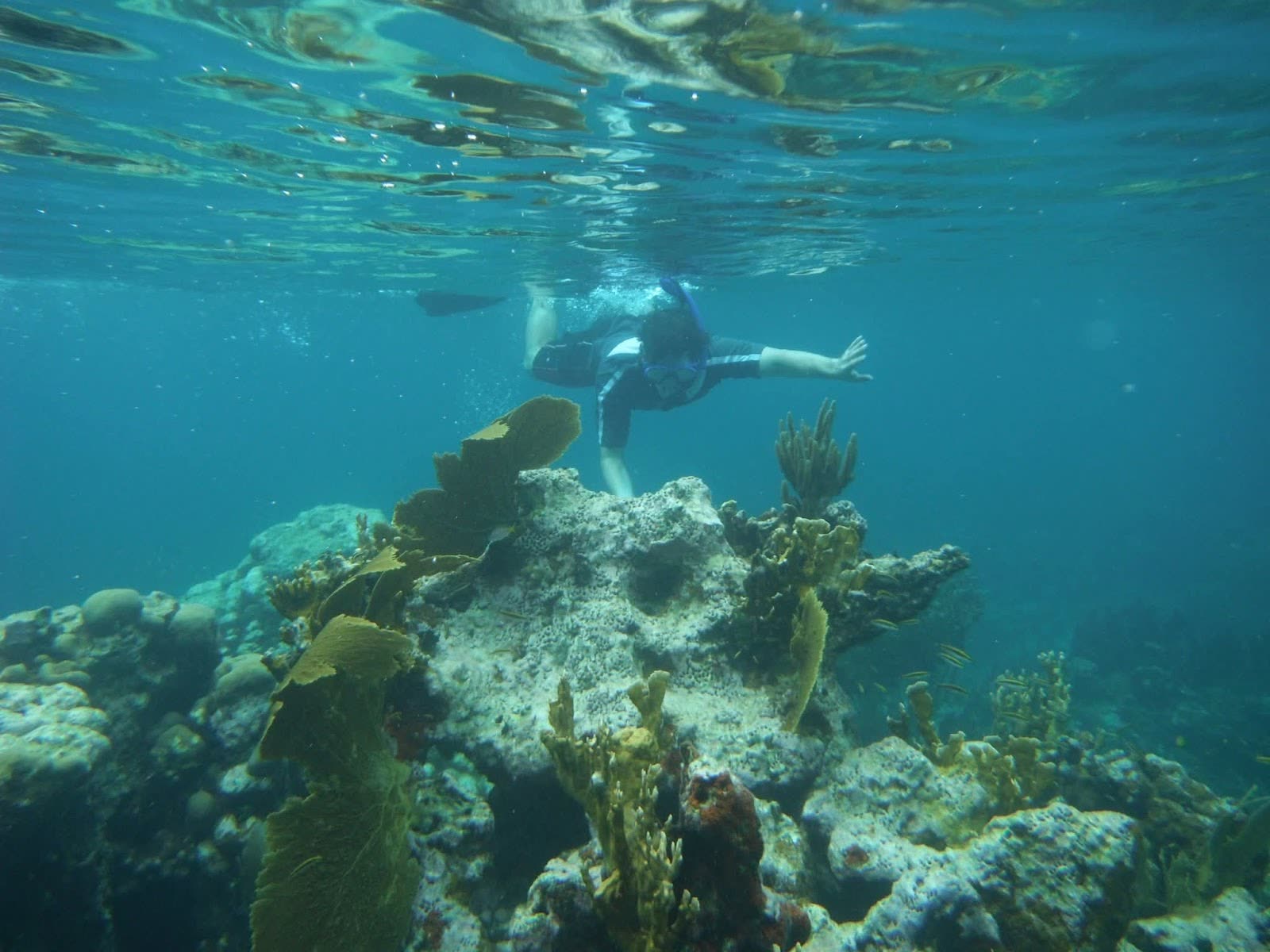
Reached by a twenty-minute hike over the ridge east of Flamenco. The trailhead is behind an unmarked chain gate; the trail is dry-forest single-track. At the far end is the largest and healthiest reef on the island.
There is nothing at the beach itself: no shade, no facilities, no vendors. Bring water, reef-safe sunscreen, a hat, and a mask.
Playa Tamarindo
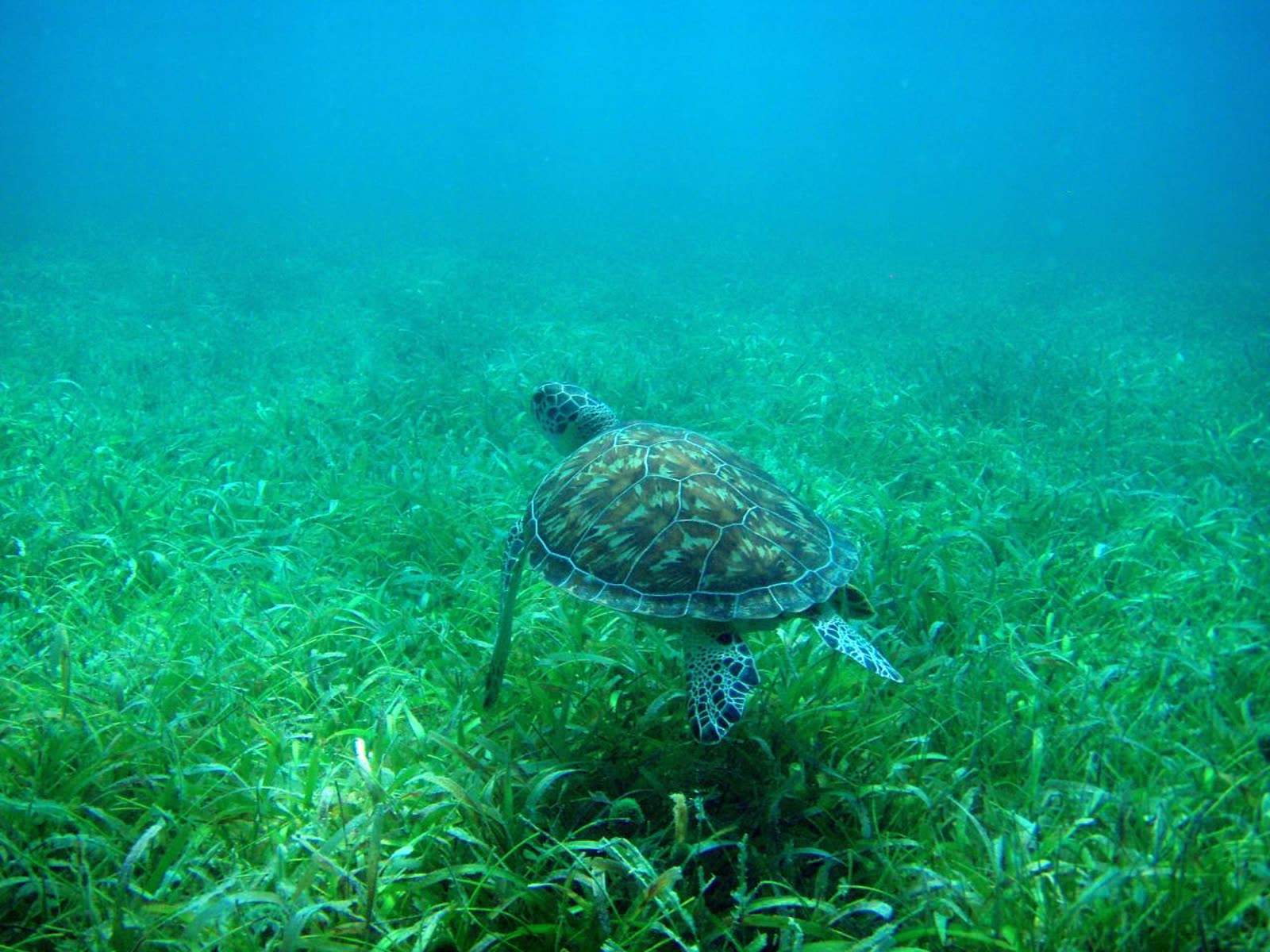
On the northwest coast, protected from open ocean by Cayo Luis Peña. The water is glassy calm and shallow, and green sea turtles graze the seagrass in waist-deep water almost every morning. Late morning to afternoon the turtles thin out; go early.
No facilities. Reef entry is easy — sandy bottom, no rocks at the shore.
Culebrita
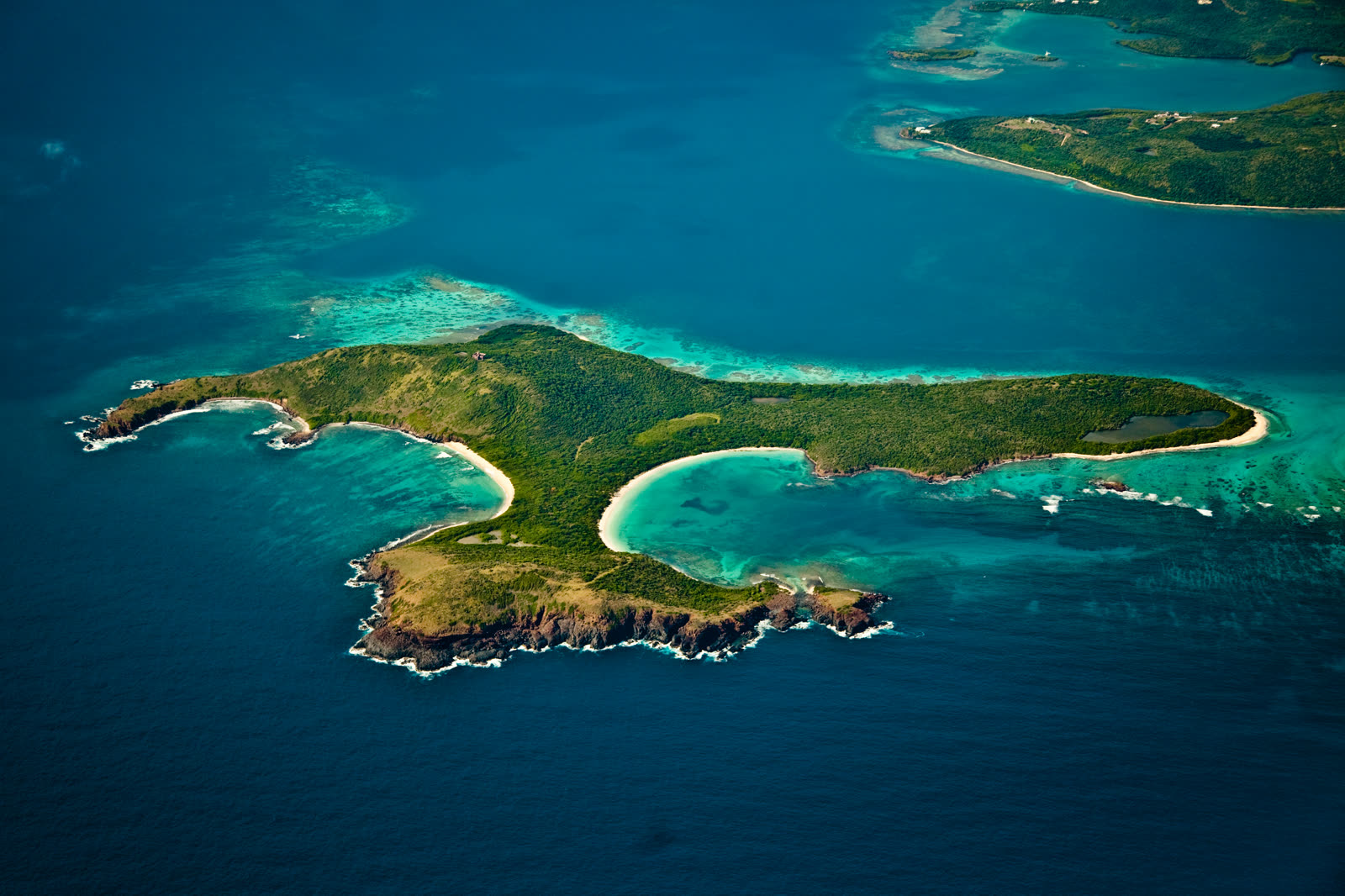
Not on Culebra itself but on the small uninhabited cay a 25-minute water taxi away. Playa Tortuga on Culebrita is where green sea turtles come to shore. On the south side, natural tide-pool basins called Las Piscinas fill at high tide like open-air jacuzzis. On the ridge, the shell of the 1886 lighthouse (Faro Isla de Culebrita) — closed to the interior, but the ridge itself gives 360-degree views over the archipelago and, on clear days, out to St. Thomas.
There is nothing on Culebrita: no water, no food, no bathrooms, no cover. Pack accordingly.
Zoni Beach
The east-coast beach. Wider and wilder than Flamenco, better light in the afternoon, and one of the island's federally-designated leatherback nesting sites from mid-March through July. The wind is often up on this side and currents can be strong — check conditions before swimming, and never approach a nesting turtle.
No facilities. The road to Zoni is rutted; a jeep is more comfortable than a golf cart.
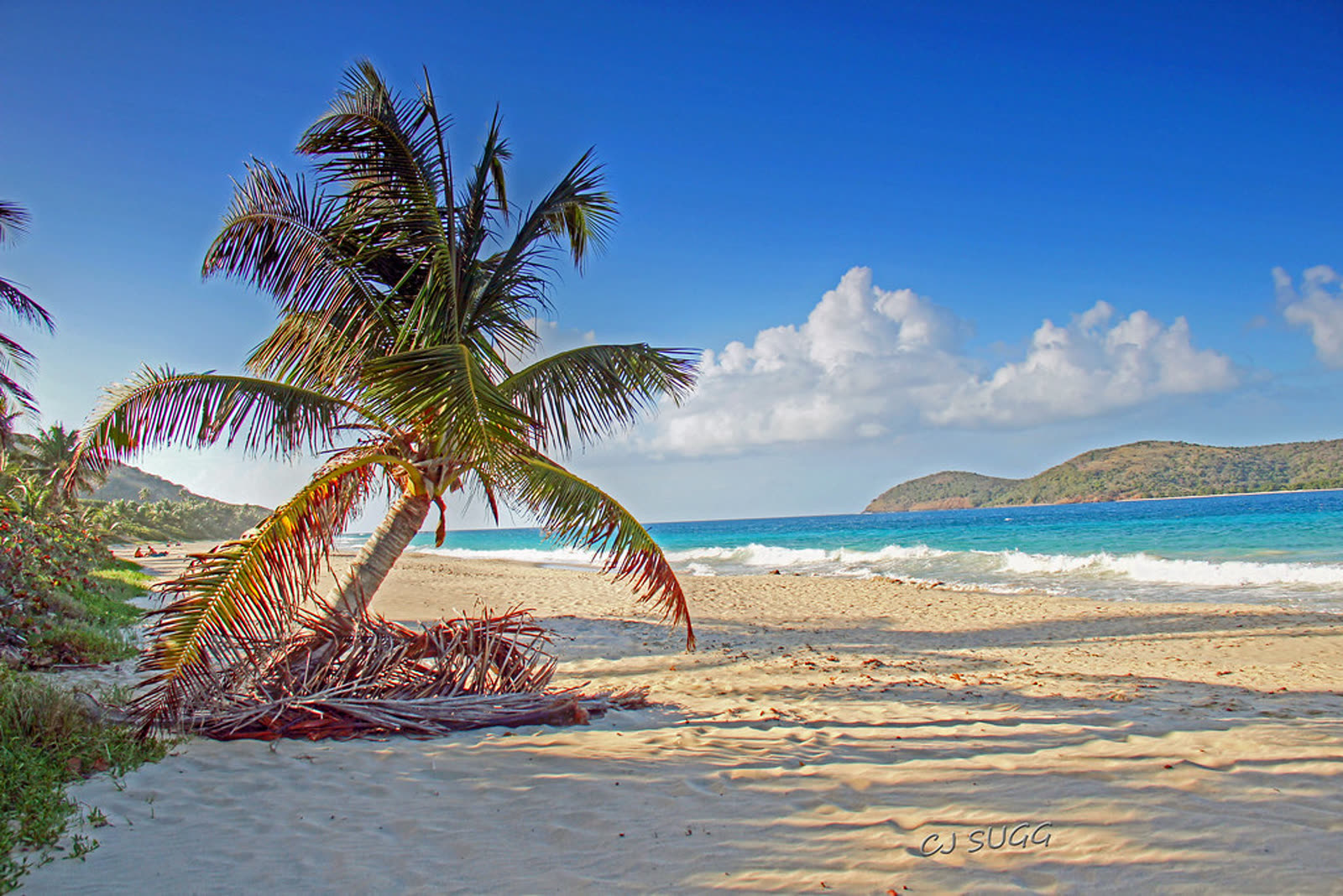
Playa Tórtolos
A small beach reached by walking north along Zoni — there's no road in. Named for the turtledoves (tórtolos), not to be confused with Playa Tortuga on Culebrita. Same east-coast exposure as Zoni; wind and current can be strong, and there are no facilities of any kind.
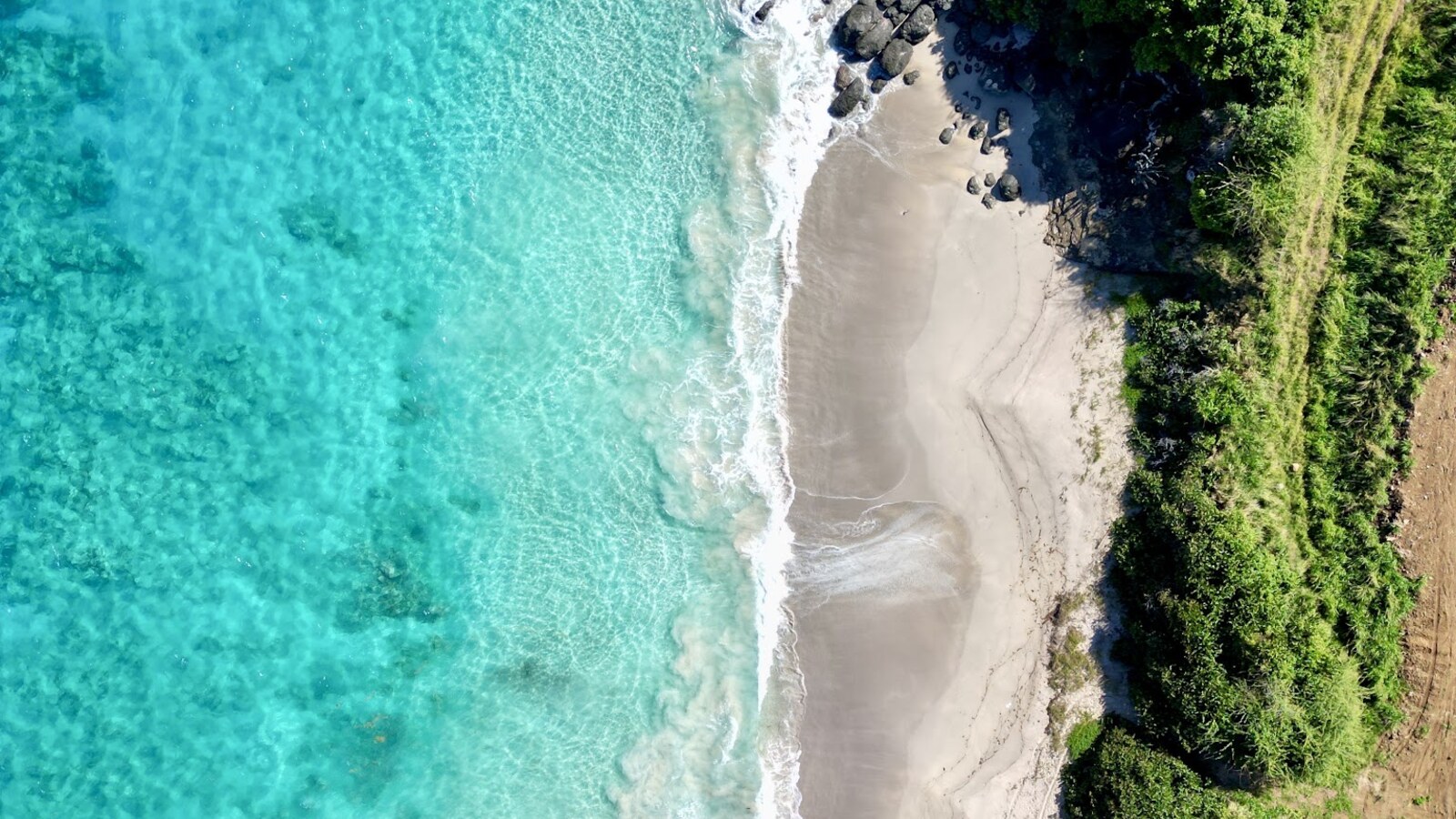
Playa Brava
Reached only on foot or by ebike — the trailhead is at the end of a rough dirt track, and from there it's a twenty-minute walk through dry forest inside the Culebra National Wildlife Refuge. A federally-designated leatherback nesting site, and a surf break during winter swells. No facilities of any kind — bring everything you need in and pack everything out.
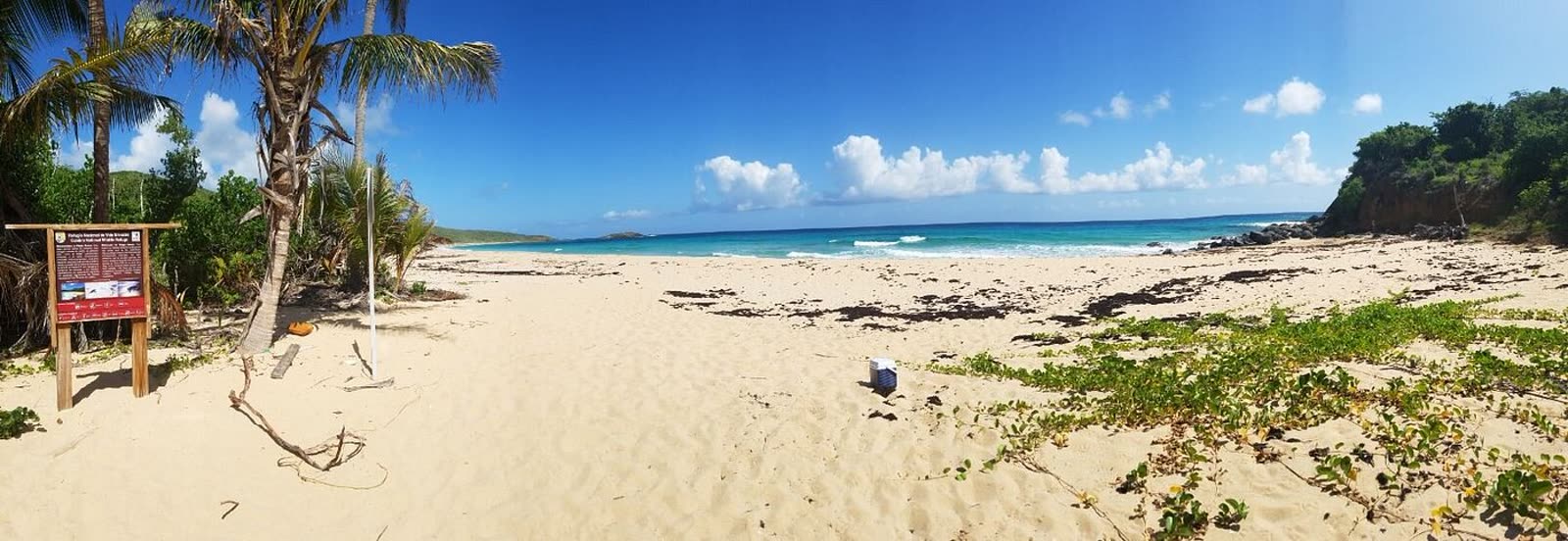
Playa Resaca
The most remote beach on the island — reached only by a moderately difficult hike from the road toward Mount Resaca along a boulder-strewn goat path. Wear real shoes, bring water, and give yourself the whole morning. Federally-designated nesting habitat for leatherbacks. Dawn and dusk swims are ill-advised because of currents and sharks; the walk and the solitude are the point.
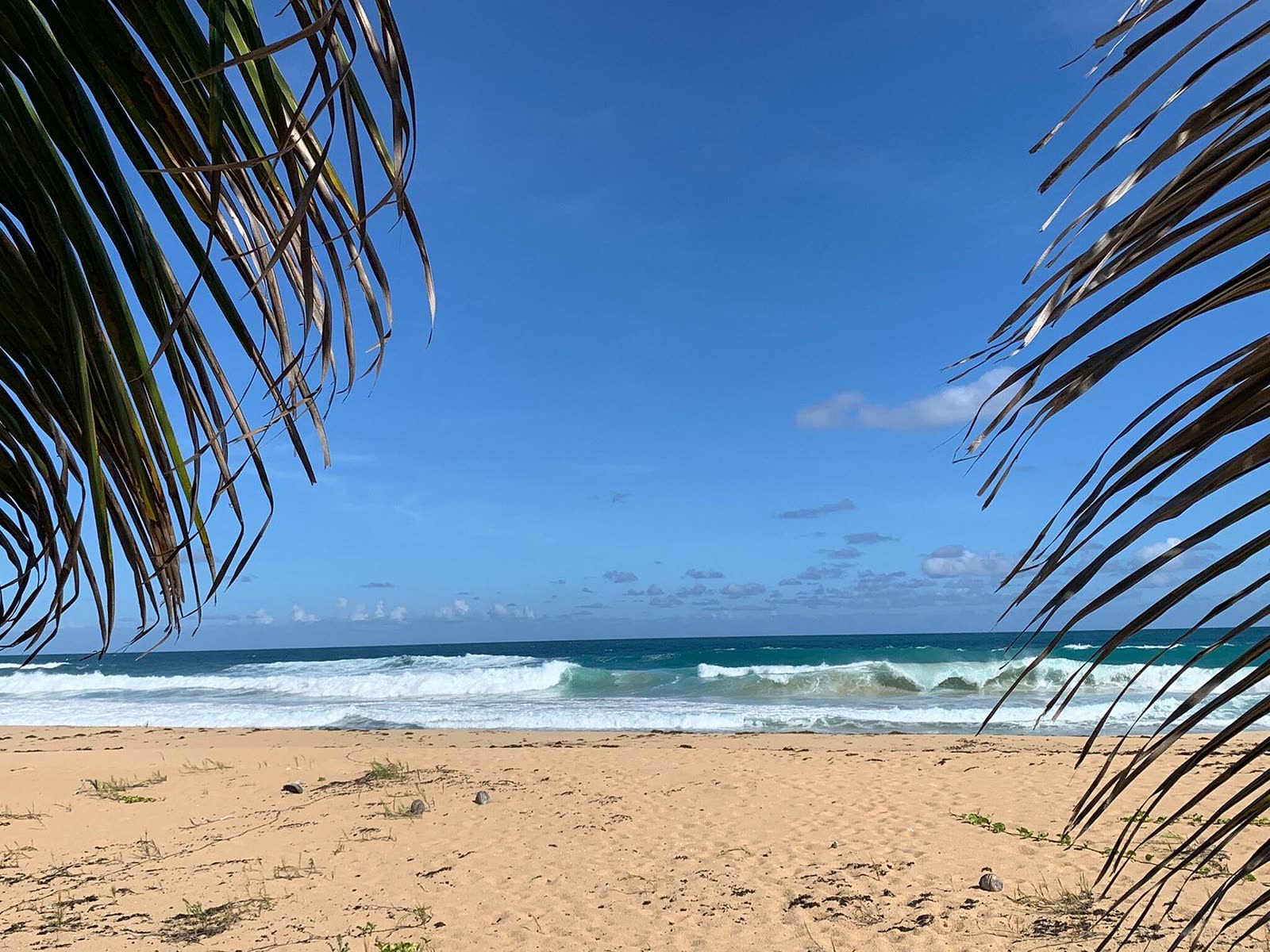
Playa Melones
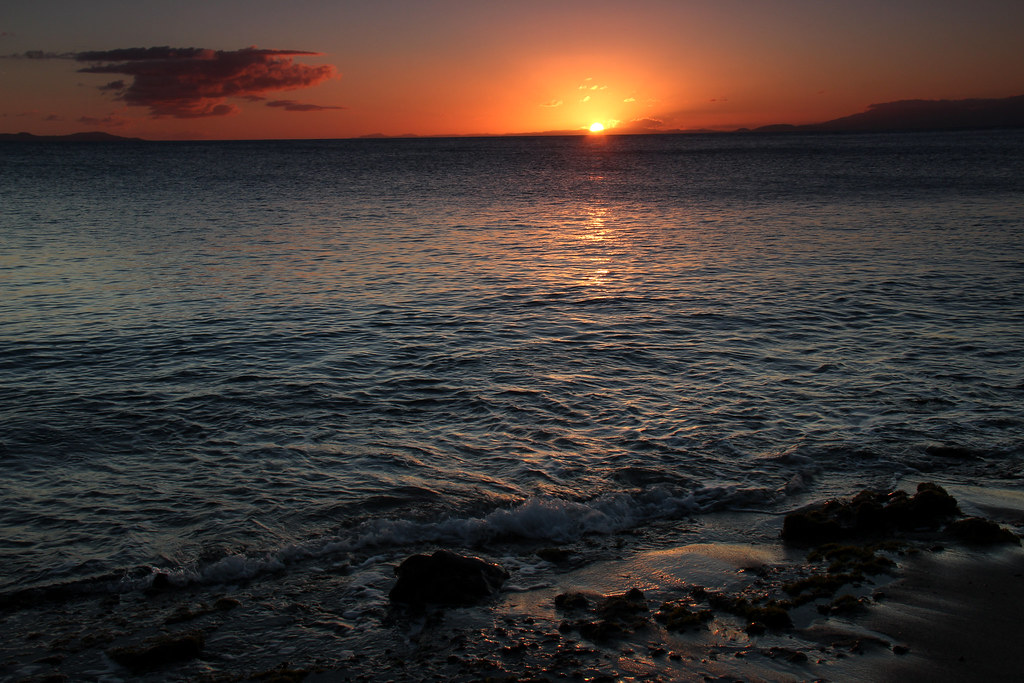
Five minutes' walk from Dewey. Rocky entry, shallow reef right off the sand, and the west-facing view makes it the island's classic sunset spot. Part of the Luis Peña Channel Natural Reserve. No facilities.
Punta Soldado
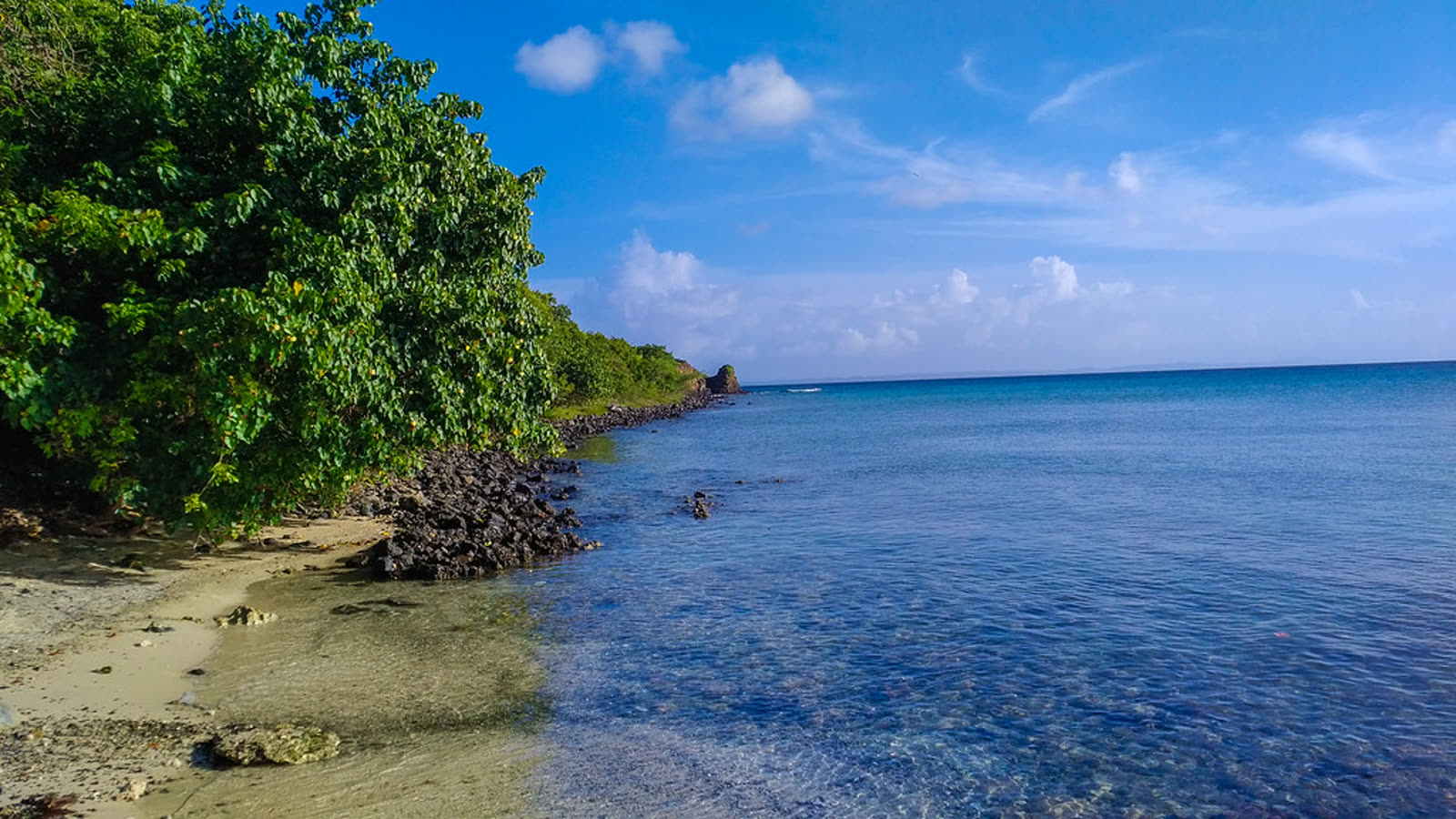
At the southern tip of the island, past Dewey and Club Seabourne up a steep hill where the pavement gives way to a gravel road. A popular local snorkeling spot — the reef begins close to shore on the left side of the beach and is home to fish, turtles, and healthy coral. Named for a Spanish military outpost that once stood on this headland. No facilities, so bring water, food, and your snorkel gear.
Next: Things to do or Travel tips.